Breaking Down Amazon’s Play in Cloud Gaming: The Five Forces Behind Its Big Bet
December 30, 2025
Breaking Down Amazon’s Play in Cloud Gaming: The Five Forces Behind Its Big Bet
The gaming industry is undergoing a seismic shift. For decades, the model was simple: buy expensive hardware (a console or a high-end PC), buy a game (on disc or digital download), and play. Today, the conversation is pivoting from hardware processing power to infrastructure delivery power. The frontier is cloud gaming — the “Netflix for Games” model — where the heavy lifting of processing graphics and gameplay happens on remote servers, and the output is streamed directly to the player’s screen, whether that’s a phone, a smart TV, or an aging laptop.
It’s a tantalizing market, projected to explode into a multi-billion dollar industry. But it’s also a graveyard of unmet promises (Google Stadia being the most notable casualty). Enter Amazon Luna.
Amazon isn’t just dipping its toes into the water; it’s leveraging its massive AWS backbone and Prime ecosystem to stake a serious claim. But in a market crowded with established gaming titans like Microsoft (Xbox Cloud Gaming) and Sony (PlayStation Plus Premium), how does an e-commerce giant compete?
To understand Amazon’s strategic positioning, we need a robust framework. We turn to Michael Porter’s classic Five Forces analysis to dissect the competitive dynamics of the cloud gaming industry and evaluate Luna’s odds of success.
1. Threat of New Entrants: A Game of Scale (Moderate to Low)
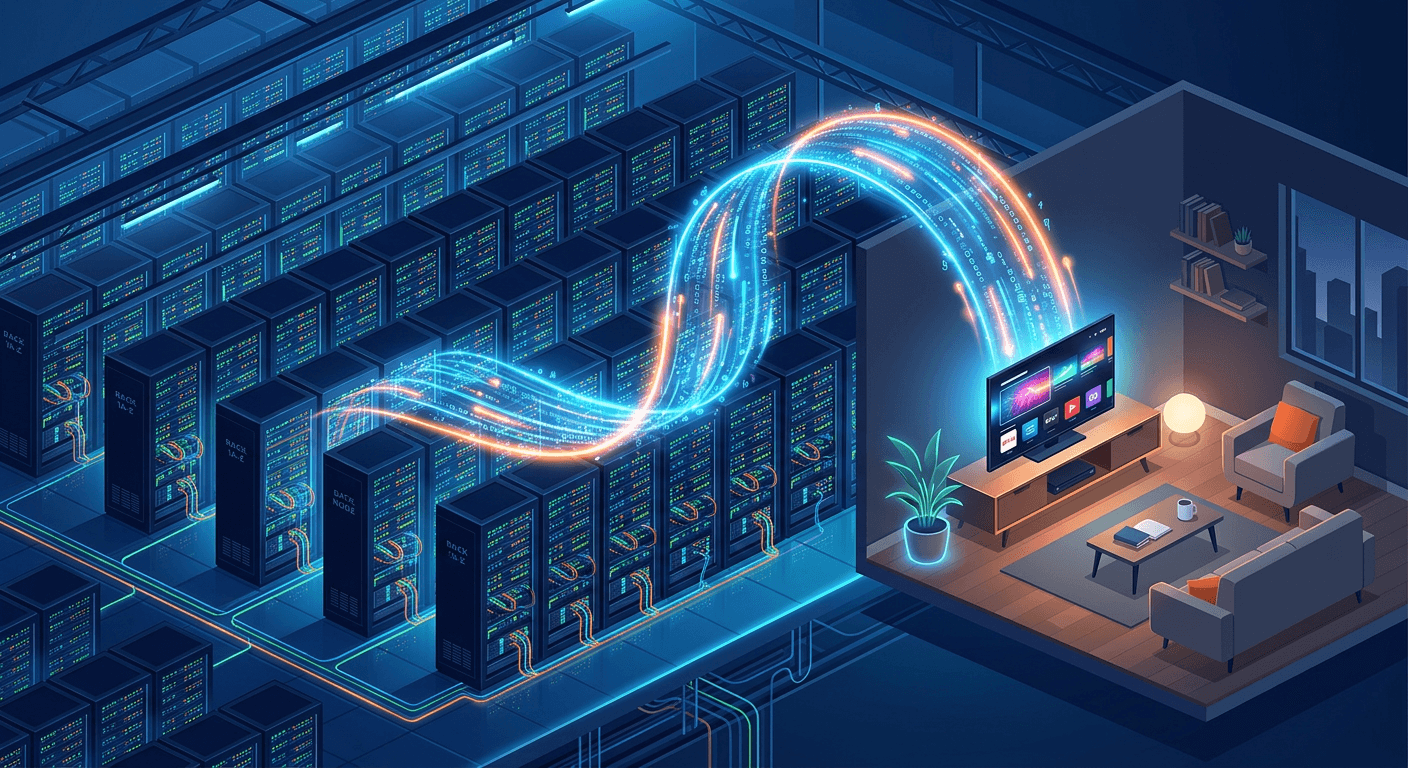
In traditional industries, a threat of new entrants might mean a new startup setting up shop. In cloud gaming, the barrier to entry isn’t just a storefront; it’s a global network of ultra-low latency data centers capable of rendering high-fidelity graphics in real-time for millions of concurrent users.
This is a game of scale that only a few hyper-scalers can play.
 Cloud Gaming Latency
The Barrier: Building the infrastructure to support seamless cloud gaming is astronomically expensive. It requires not just server farms, but edge computing capabilities to bring the processing closer to the user to minimize lag — the ultimate enemy of the gamer.
Amazon’s Position: This is where Amazon flexes its biggest muscle: Amazon Web Services (AWS). They already possess the global infrastructure that a new entrant would need billions of dollars and years to build. This massive barrier to entry protects Amazon from startup disruption. The only credible new entrants would be other tech giants (like Meta or Apple), but even they face the challenge of building dedicated game-streaming infrastructure from scratch.
Verdict: The threat of a completely new, unknown player disrupting the market is low. The real threat comes from existing tech giants deciding to enter the fray.
2. Threat of Substitutes: The Elephant in the Room (High)
A substitute product isn’t a direct competitor (like another cloud gaming service); it’s an alternative way of satisfying the same customer need (entertainment/gaming).
 Luna Controller
The Traditional Alternatives: The most immediate substitutes for cloud gaming are traditional gaming methods: dedicated consoles (PS5, Xbox Series X/S), high-end gaming PCs, and the massive mobile gaming market. Native hardware still offers lower latency, superior graphical fidelity in many cases, and the reliability of offline play.
The Broader Entertainment Landscape: Beyond gaming, substitutes include streaming video (Netflix, Disney+), social media (TikTok, Instagram), and other digital entertainment forms competing for the user’s limited leisure time.
Amazon’s Position: This is perhaps the biggest challenge for cloud gaming as a whole. Why stream a game with potential lag when you already own a console that plays it perfectly? Amazon Luna must continuously prove its value proposition: convenience, accessibility across devices, and avoiding the upfront cost of hardware.
Verdict: High. Until cloud gaming can consistently match or exceed the experience of native hardware without requiring massive broadband bandwidth, traditional gaming methods remain a powerful substitute.
3. Bargaining Power of Suppliers: The Content Conundrum (High)
In the cloud gaming context, the "suppliers" are primarily the game publishers and top-tier studios (EA, Ubisoft, Take-Two, etc.). They hold the keys to the kingdom: the games people actually want to play.
The Content is King: A platform without compelling AAA titles is essentially a powerful engine with no fuel. Publishers know this. They have significant bargaining power to demand favorable revenue-sharing agreements, exclusivity deals, or simply choose not to list their games on certain platforms.
The Stadia Lesson: Google Stadia’s failure highlighted the danger of supplier power. They struggled to secure a massive, compelling library because publishers were wary of the platform’s viability and the unique porting requirements.
Amazon’s Position: Amazon addresses this through its "channel" model (e.g., the Ubisoft+ channel on Luna). Instead of trying to buy all the content outright, they offer a platform for publishers to run their own subscription services within Luna. This respects the supplier’s power while still building Luna’s library. Furthermore, Amazon is investing heavily in internal game development (Amazon Games, creators of New World), attempting to build first-party exclusives and lower their reliance on third-party suppliers.
Verdict: High. The industry relies entirely on hit content. Publishers hold significant leverage, forcing platforms like Luna into creative licensing agreements or massive investments in native development.
4. Bargaining Power of Buyers: The Frictionless Switch (High)
The "buyers" are the gamers. Their power comes from how easy it is to try something else.
Low Switching Costs: Unlike traditional gaming where you are "locked in" by a $500 console purchase, cloud gaming is subscriptions-based. If a user is unhappy with Luna, canceling their $9.99/month subscription and switching to Xbox Cloud Gaming takes a few clicks. The switching cost is negligible.
The Demand for Perfection: Gamers are fiercely demanding consumers. Any noticeable input lag, visual artifacting, or service instability will result in immediate churn.
Amazon’s Position: Amazon mitigates buyer power through its ultimate trump card: The Prime Ecosystem. By bundling a rotating selection of Luna games with Amazon Prime, they instantly acquire millions of "trial" users and reduce churn. If you already pay for Prime for shipping and video, keeping the free Luna tier requires zero extra commitment. For the paid Luna+ tier, the value proposition must be constantly reinforced with new games and flawless performance.
Verdict: High. The lack of hardware lock-in means customer loyalty in cloud gaming is fragile and must be earned every month.
5. Competitive Rivalry: The Clash of Titans (Very High)
This is a battlefield of giants. Amazon is not fighting startups; they are fighting trillion-dollar companies with decades of gaming pedigree.
The Heavyweights:
- ■Microsoft (Xbox Cloud Gaming): The current market leader. They have deep pockets, the massive Xbox Game Pass library, acquired studios (Bethesda, Activision Blizzard), and the Azure cloud infrastructure.
- ■Sony (PlayStation Plus Premium): The undisputed leader in console gaming, leveraging their unparalleled catalog of exclusive titles.
- ■Nvidia (GeForce Now): The leader in performance, appealing heavily to PC gamers by allowing them to stream games they already own on platforms like Steam.
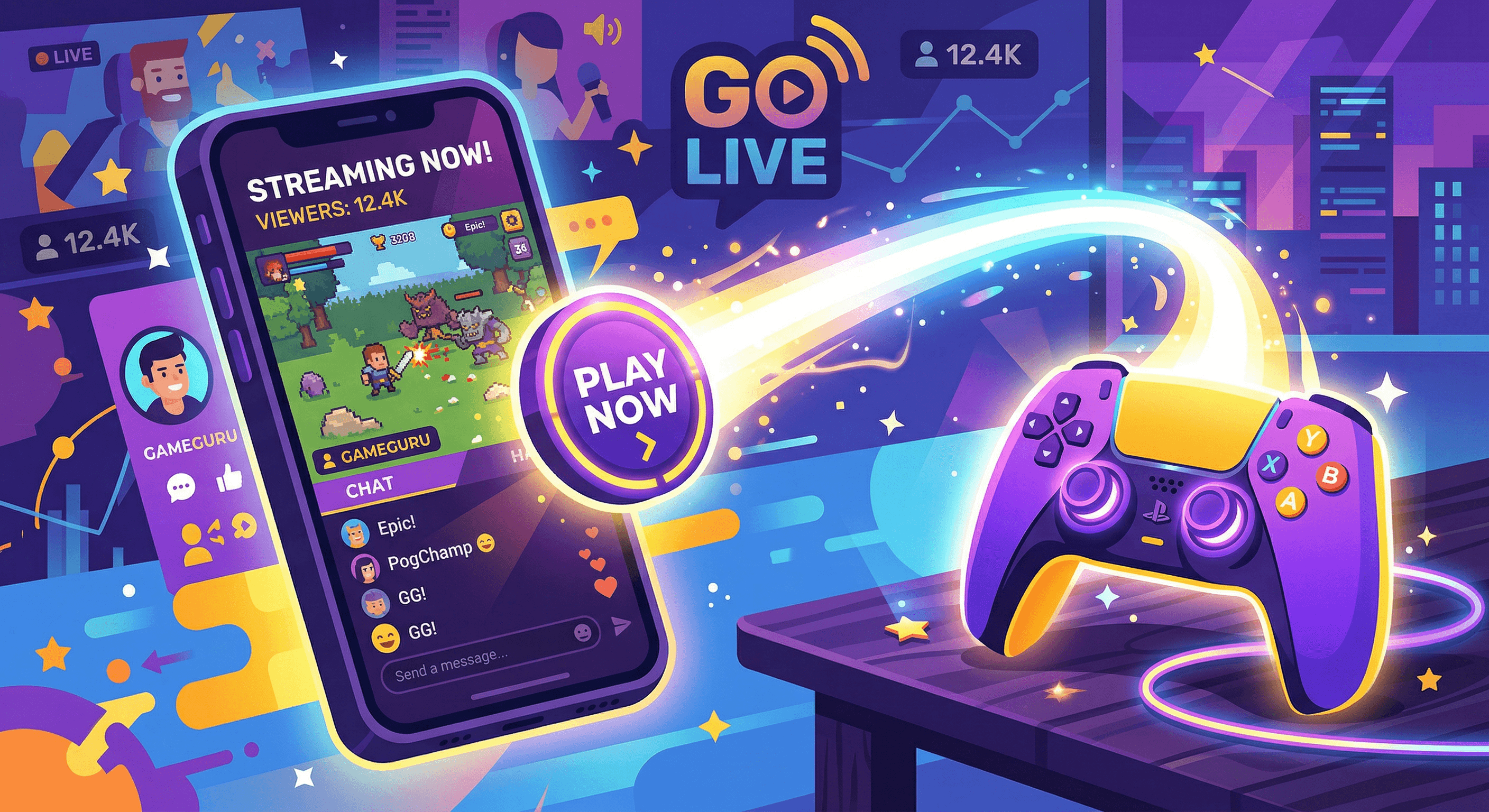
Amazon’s Position: Luna is the underdog in terms of gaming pedigree, but a heavyweight in infrastructure (AWS) and distribution (Prime, Twitch). Amazon’s integration of Luna with Twitch is a unique competitive advantage. The ability to watch a streamer play a game on Twitch and then instantly launch that same game via Luna is a powerful, frictionless funnel that neither Microsoft nor Sony have matched precisely in that form.
 Amazon Luna Twitch Integration
Verdict: Very High. It is a brutal, expensive, intensely competitive market where the stakes are billions of dollars in future recurring revenue.
Conclusion: Will Luna Shine?
Applying Porter’s Five Forces reveals that while the threat of new market entrants is low (due to the monumental infrastructure costs), the other forces—rivalry, supplier power, buyer power, and substitutes—are all exceptionally high. Cloud gaming is a harsh, margin-thin war of attrition.
Amazon Luna’s success will not hinge on competing purely on "gaming" terms against Microsoft or Sony. They lack the decades-deep catalog of historical IP. Luna’s path to victory lies in leveraging its ecosystem.
By integrating cloud gaming seamlessly into Prime benefits, using AWS to ensure operational excellence, and utilizing Twitch as the world’s largest top-of-funnel acquisition channel, Amazon is playing a different game. They aren't just selling a gaming subscription; they are adding a compelling new layer of value to the "Amazon Tax" that hundreds of millions of households already pay.
The cloud gaming war is far from over, but Amazon has ensured it has the infrastructure, the capital, and the ecosystem to stay in the fight for the long haul.