The Psychology of Surge: Why Your Uber Costs 2.5x in the Rain
A deep dive into the business strategy and consumer psychology behind surge pricing from Uber, Ola, Zomato, and Swiggy. Understand the algorithms, the new rules, and the data behind the price hikes.
The Psychology of Surge: Why Your Uber Costs 2.5x in the Rain
A deep dive into the business strategy and consumer psychology behind surge pricing from Uber, Ola, Zomato, and Swiggy. Understand the algorithms, the new rules, and the data behind the price hikes.
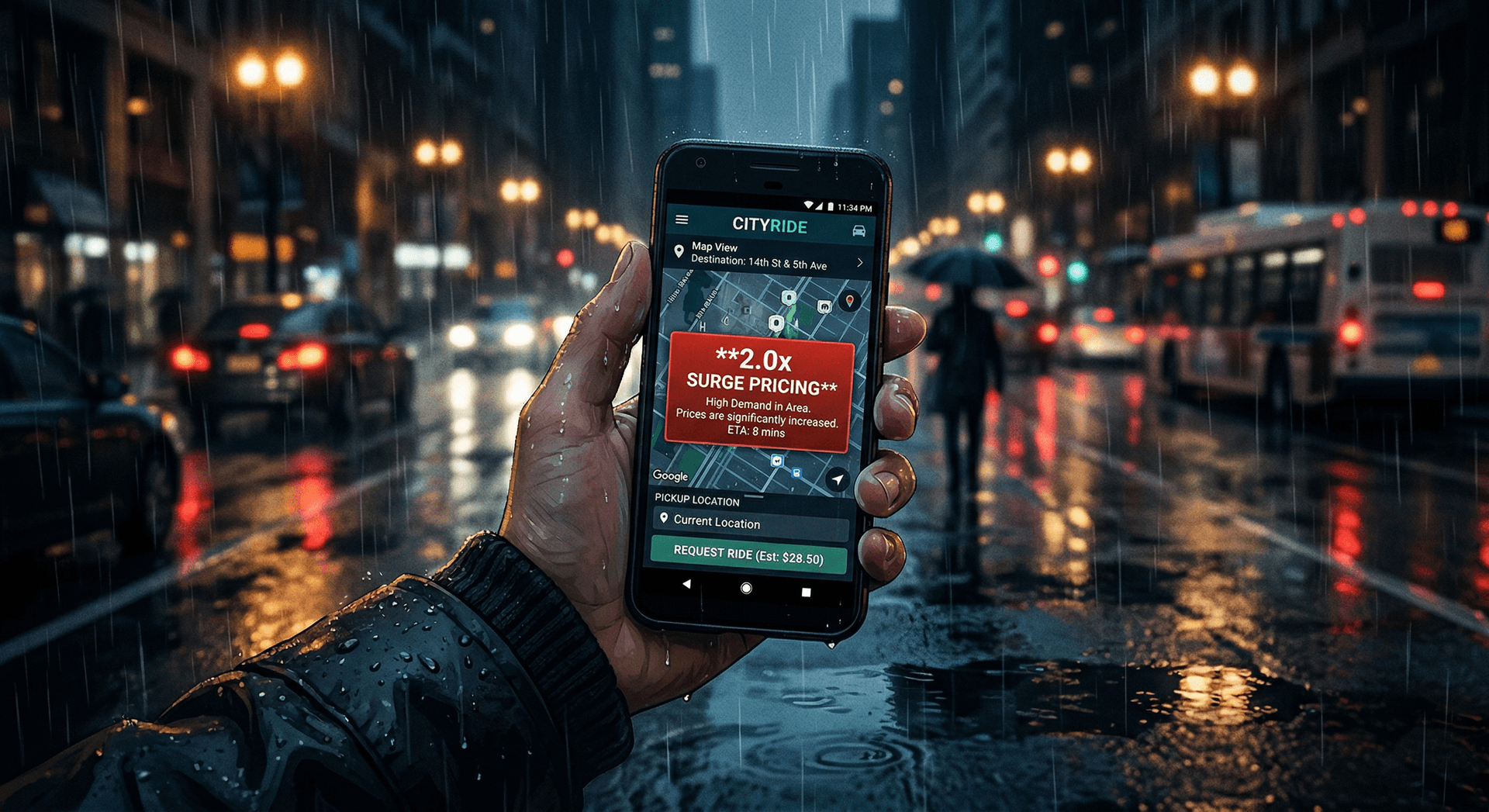
It’s 9 PM on a Friday night in Mumbai. It just started raining, and you open Uber to get home. The price is 2.5x the normal rate. We’ve all felt that sting of frustration. Is it a rip-off? Is it just bad luck? The truth is, it’s neither. It’s a calculated strategy, a fascinating mix of cold, hard data and clever psychology.
That surge price isn’t just a simple supply-and-demand trick. It’s a sophisticated tool these platforms use to manage their entire operation, test our patience, and, yes, maximize their profit. The real challenge for them is balancing the magic of their algorithms with the brand damage they cause every time we feel like we’re being gouged.
Let’s break down what’s really happening on your screen.
The Machine’s Two Goals
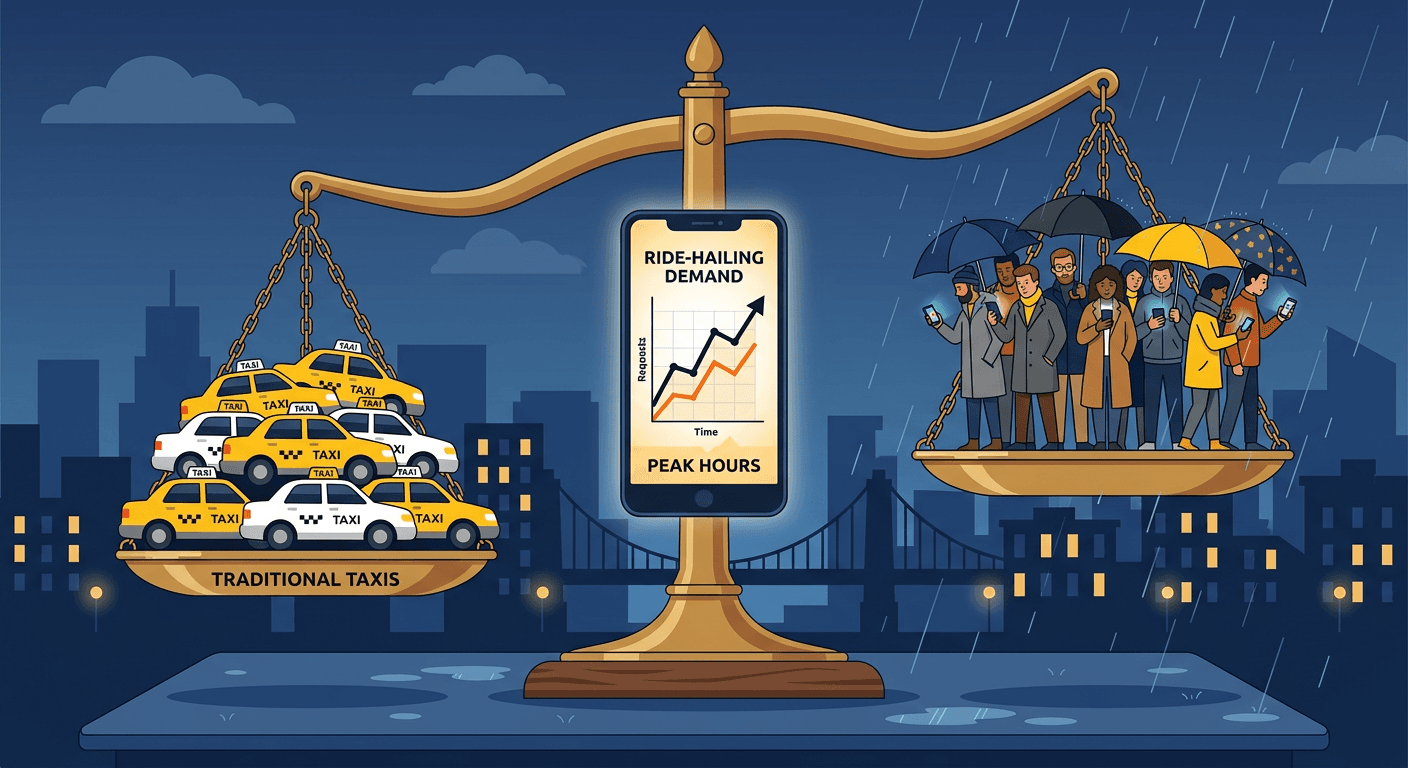
At its core, surge pricing has two simple jobs. When demand for rides skyrockets in one area (like Bandra on a rainy Friday night), the algorithm kicks in to:
-
Get More Drivers on the Road: The higher price is a direct cash incentive. It signals to drivers across the city that there’s good money to be made in that area, encouraging them to head over and increase the supply of cars.
-
Thin the Herd of Riders: The higher price also makes some of us pause. You might decide to wait 20 minutes for the price to drop, or maybe share a ride with a friend. This temporarily reduces demand, making sure that those who really need a ride can get one.
It’s an efficient system for balancing the market. But efficiency doesn’t always feel fair.
The Government Steps In: The New 2x Rule
For years, there was no limit to how high surge could go. But the Indian government has recently introduced new rules called the Motor Vehicle Aggregator Guidelines (MVAG) 2025. The biggest change for us as consumers is this: surge pricing for cabs is now legally capped at 2x the base fare.
On the surface, this is great news. No more 5x or 7x horror stories. But there’s a flip side. By setting a legal limit, the government has also officially legitimized the practice. A 2x surge is no longer an “outrageous price”; it’s the “legal peak.” This might make platforms more comfortable applying that 2x multiplier more often.
Why It Feels Like a Rip-Off: The Psychology of a “Fair” Price
So why does a 2x surge on Uber feel so much worse than paying 2x for a flight ticket during Diwali? It comes down to our perception of fairness. We accept that flight and hotel prices fluctuate with seasons. But when we’re in a moment of immediate need — stuck in the rain, running late — a price hike feels personal. It feels like the app is taking advantage of our bad situation.
This feeling is what platforms are constantly battling. Their rational explanation of “market efficiency” rarely wins against our emotional response of “this is unfair.”
The Final Word
Surge pricing is a brilliant and brutal piece of engineering. It keeps our cities moving, but it does so at a psychological cost. For platforms like Uber, Ola, Zomato, and Swiggy, the ultimate challenge is to not let their profit-maximizing algorithms completely destroy the trust they have with their customers.
So, the next time you see that surge price pop up on your screen, you’ll know exactly what’s going on. It’s not random. It’s a calculated, data-driven test of both your patience and your wallet.